Home / Digital Forays / #5
Future Digital Research on/in/from the Middle East
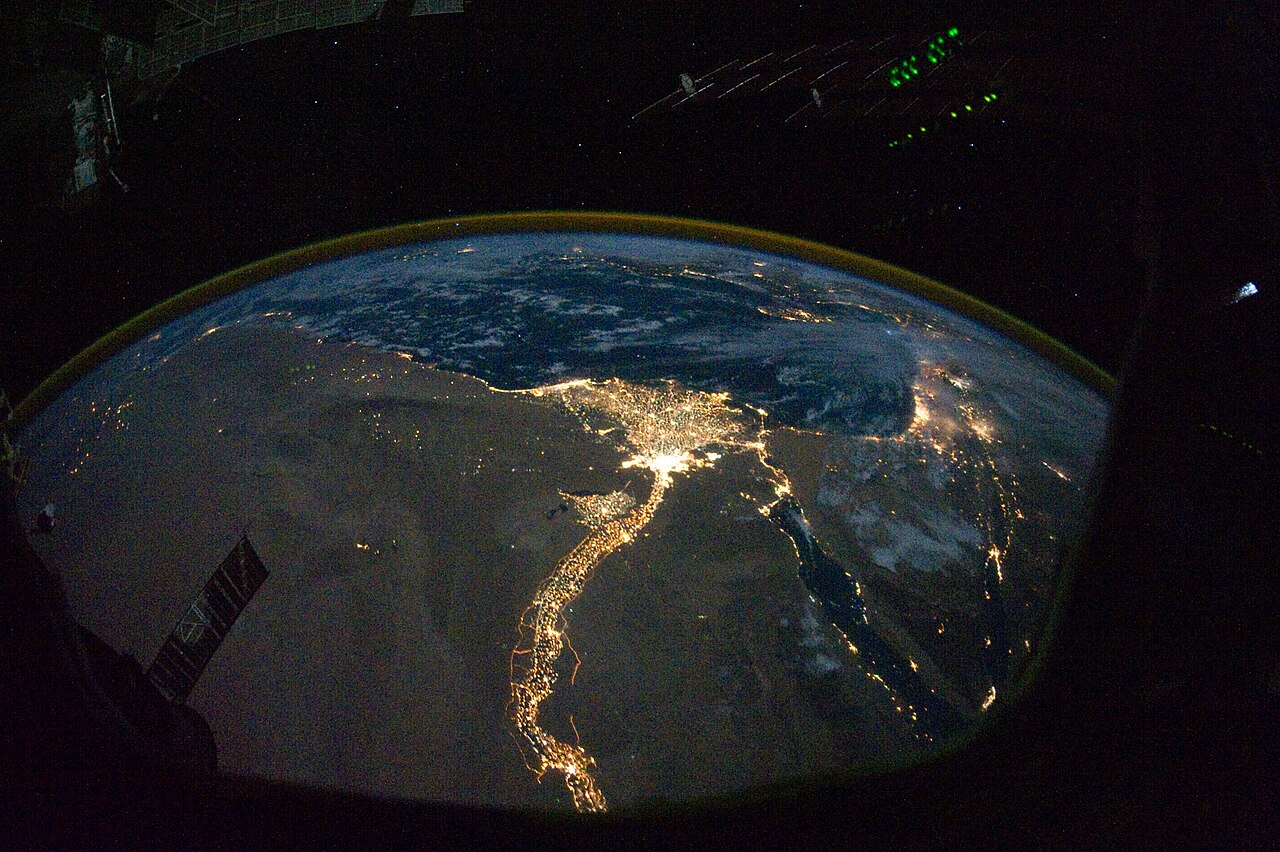
What is the state of digital scholarly research on, in, and from the Middle East, and where is it headed? This roundtable explores the present conditions and the future (5 to 10 years ahead) of digital scholarship in Middle Eastern Studies. Key questions: What is the difference between digital work produced within the region versus about it? What are the challenges and opportunities for graduate students and junior faculty? What role does collaboration infrastructure play? How do universities accept (or resist) digital scholarship? And what are the perils and promise of funding?
Speakers
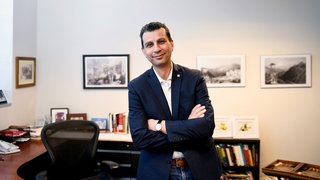
University Faculty Scholar and Professor of History. Holds the Khayrallah Chair in Diaspora Studies at NC State and directs the Khayrallah Center for Lebanese Diaspora Studies.
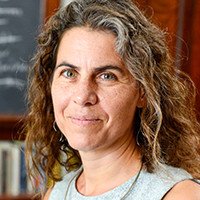
Khedouri A. Zilkha Professor of Jewish Civilization in the Near East and director of the Princeton Geniza Lab, which builds a database of documents from medieval Cairo. As of 2021, co-leads an NEH-funded initiative on teaching with manuscripts, rare books, and archives. Author of The Lost Archive: Traces of a Caliphate in a Cairo Synagogue (Princeton University Press, 2020). MacArthur Fellow (2015).
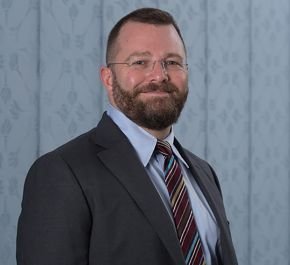
Comparative medievalist and digital humanist. Research spans late medieval court culture, Mediterranean studies, multilingual corpora analysis, and spatial humanities. Founded and organized the first digital humanities training institute in the Middle East (Beirut, 2015).
Discussant
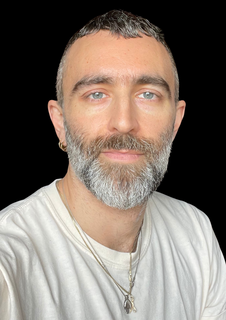
Director of Graduate Studies in Near Eastern Studies at the Kevorkian Center, NYU. Organized the Digital Forays series during Academic Year 2020-2021.
From the Conversation
Akram Khater (NC State) began with describing his experience and challenges with building an archive of the stories of Arab immigrants, stressing how an archive must follow both the lives of the immigrants and the lives of those who they left. He ended by asking how we address the silences of the archive: the absence of people who were not privileged enough to write, record, and leave things behind.
Marina Rustow (Princeton) emphasized the need for digital works to be accessible in the places they originally come from. However, for her digitization is not a magic solution. Rather, it is an opening to formulate new ways of workflow and collaboration that often do not map onto the infrastructural demands of traditional academic institutions worldwide.
David Joseph Wrisley (NYU Abu Dhabi) first focused on how "with" is largely missing in the area studies lexicon. He stressed the need for fostering modes of transnational collaboration while also addressing the possible uneven relations. He identified infrastructural difference as a new site of privilege, asking how do we center new infrastructures and ways of working with information?
Jared McCormick (NYU) concluded by asking the scholars to think through the preposition "with." The speakers discussed the challenges of institutionalizing new understandings and standards for academic labor for faculty and students. They also stressed infrastructure as a modelling process that can allow for others worldwide to work with us, thus creating new possibilities.
This virtual event was co-sponsored by 19 Washington Square North and the Duke-UNC Consortium for Middle East Studies.
Recording
Paired with seminar
Session 13 → Module V: Digital Storytelling: Text / Image / Sound / VideoDigital Forays · 6 events in the series
← Previous
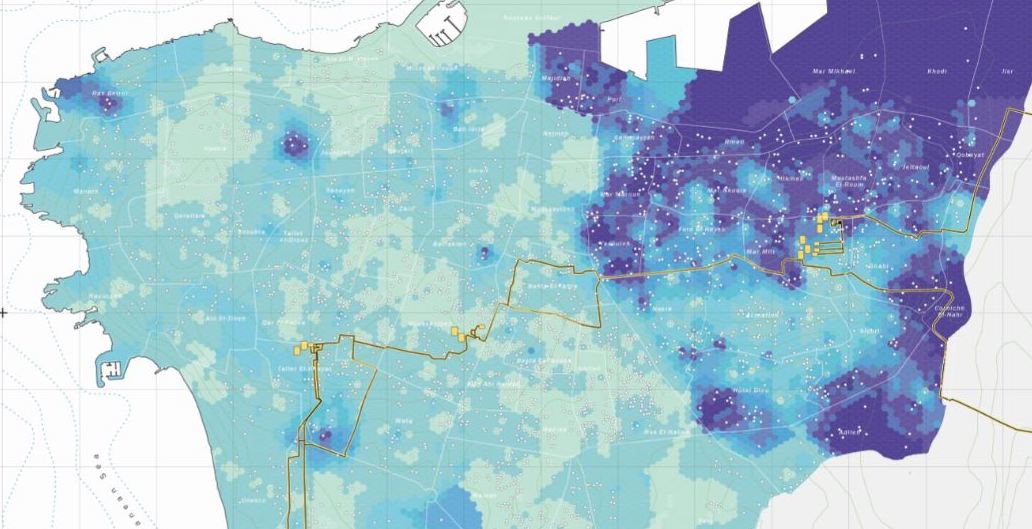
#4: Space & Place II: Visualization & Digital Storytelling
April 15, 2021
You are here
#5: Future Digital Research on/in/from the Middle East
April 22, 2021

Next →
#6: Lightning Talks: Junior Scholars Present Digital Scholarship in Progress
April 29, 2021