Digital Methodologies in Middle Eastern Studies
Kevorkian Center for Near Eastern Studies, New York University
Video source: 3D model of the Temple of Bel - Palmyra - Syria
Digital Methods
About the Course (2021)
Digital Methodologies in Middle Eastern Studies is a graduate seminar exploring how digital tools, methods, and questions are reshaping the study of the Middle East and North Africa. The course surveys artistic, academic, and activist digital production across the region while introducing students to Digital Humanities tools and methods for their own scholarship. Moving between critical theory and hands-on practice, it asks what it means to think digitally about the region, and what is at stake for graduate students who engage seriously with these methods, platforms, and debates.
The course treats the digital as a contested terrain, shaped by politics, infrastructure, language, and power, rather than a neutral toolkit. Students examine how digital methods both open new possibilities for scholarship and introduce new forms of bias, exclusion, and distortion. Each module pairs theoretical readings with regional platforms, datasets, and tools, asking students to evaluate methods critically and to develop their own digital research directions.
The course is built to intersect with the Kevorkian Center's Digital Forays public workshop series, a year-long program bringing together scholars, artists, and practitioners working at the intersection of digital technology and Middle Eastern studies. The Digital Forays workshops run across the academic year and are designed to extend and deepen the conversations from class. The series was planned in conjunction with this course.
A version of this course was taught in Spring 2019 and Spring 2021 by Jared McCormick at NYU's Kevorkian Center for Near Eastern Studies. This site presents the syllabus and course platform for the most recent iteration (Spring 2021). The course has since developed into Critical Thinking with AI: Knowledge, Power, and the Middle East.
Five Modules
The course unfolds across five modules, each spanning two to four class sessions, pairing theoretical readings with regional platforms, datasets, and hands-on tools.
Digital Directions of ME Studies
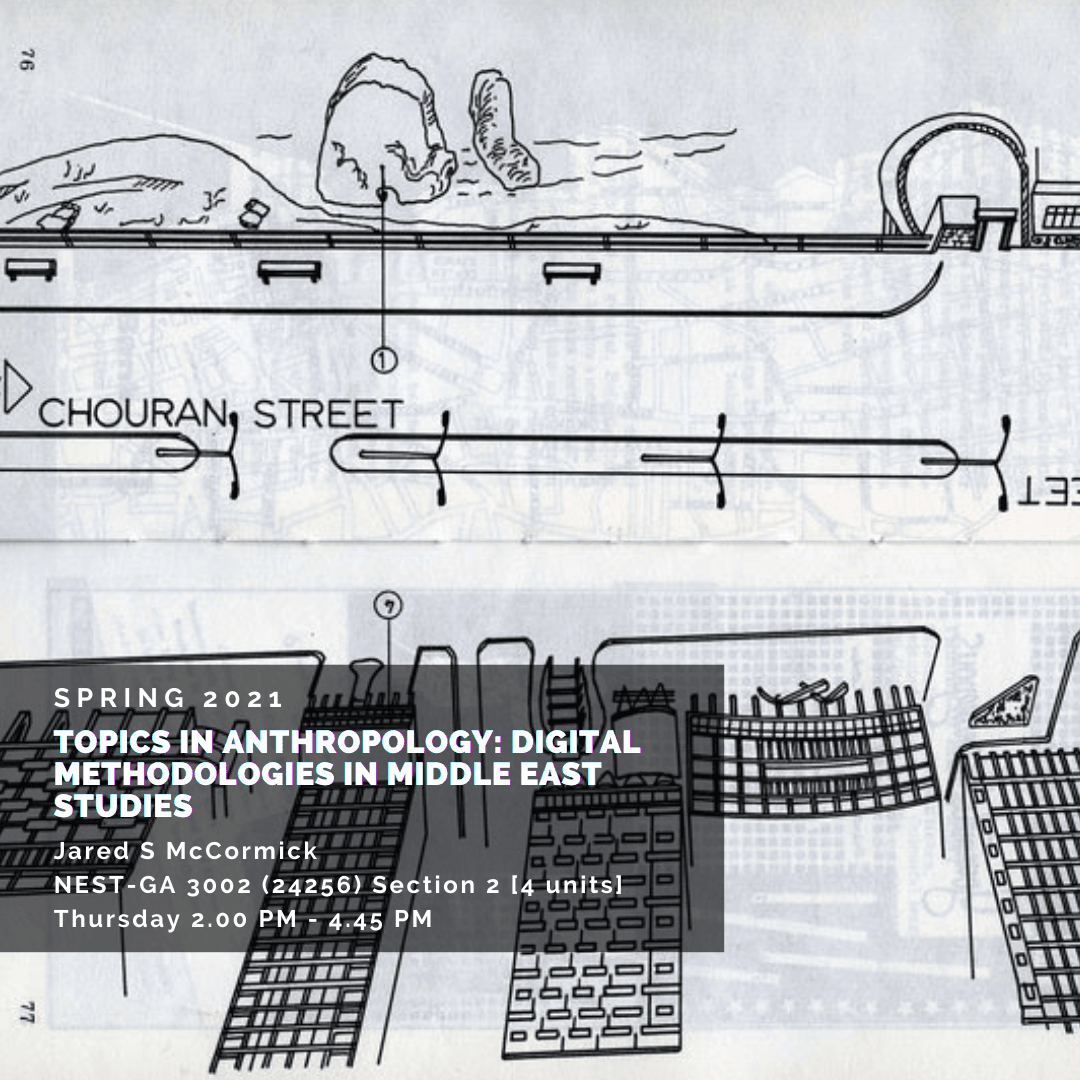
What do we mean by 'the Digital'? The landscape of digital scholarship in Middle Eastern Studies, and what graduate students could be doing next.
Text as Data
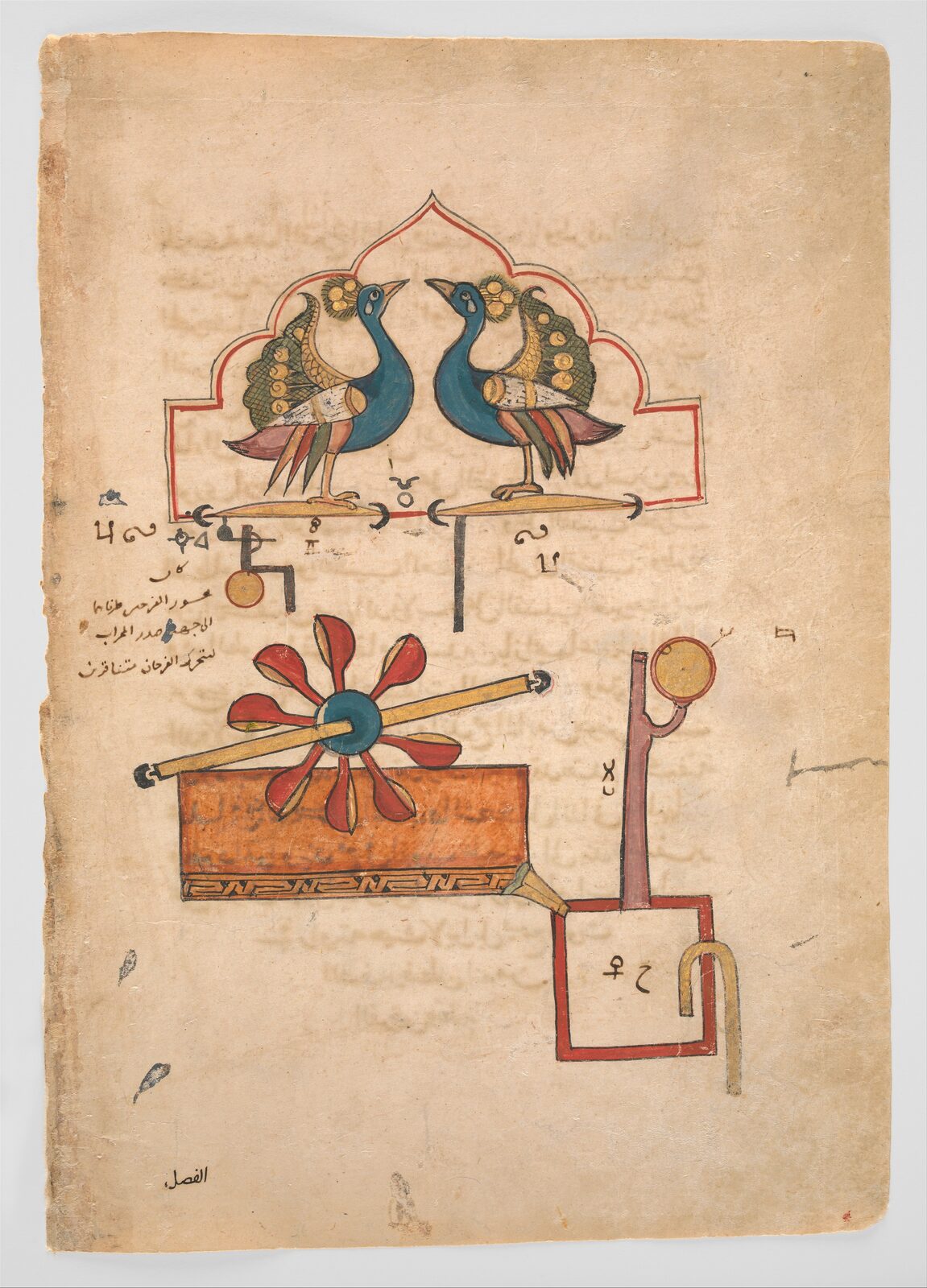
What happens when text becomes data? Computational text analysis, distant reading, and the politics of digitizing Arabic and other regional languages.
Archive Fever
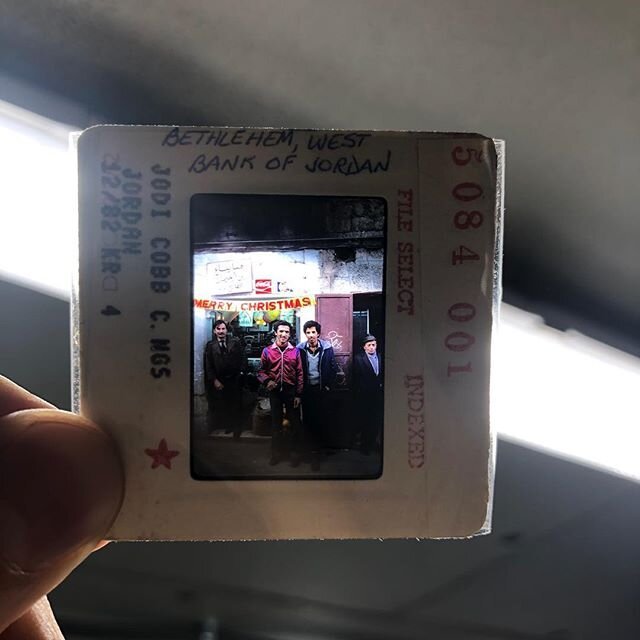
How do documents, objects, and images become digital data, and what changes when they do? Digital witness, forensic architecture, and algorithmic bias.
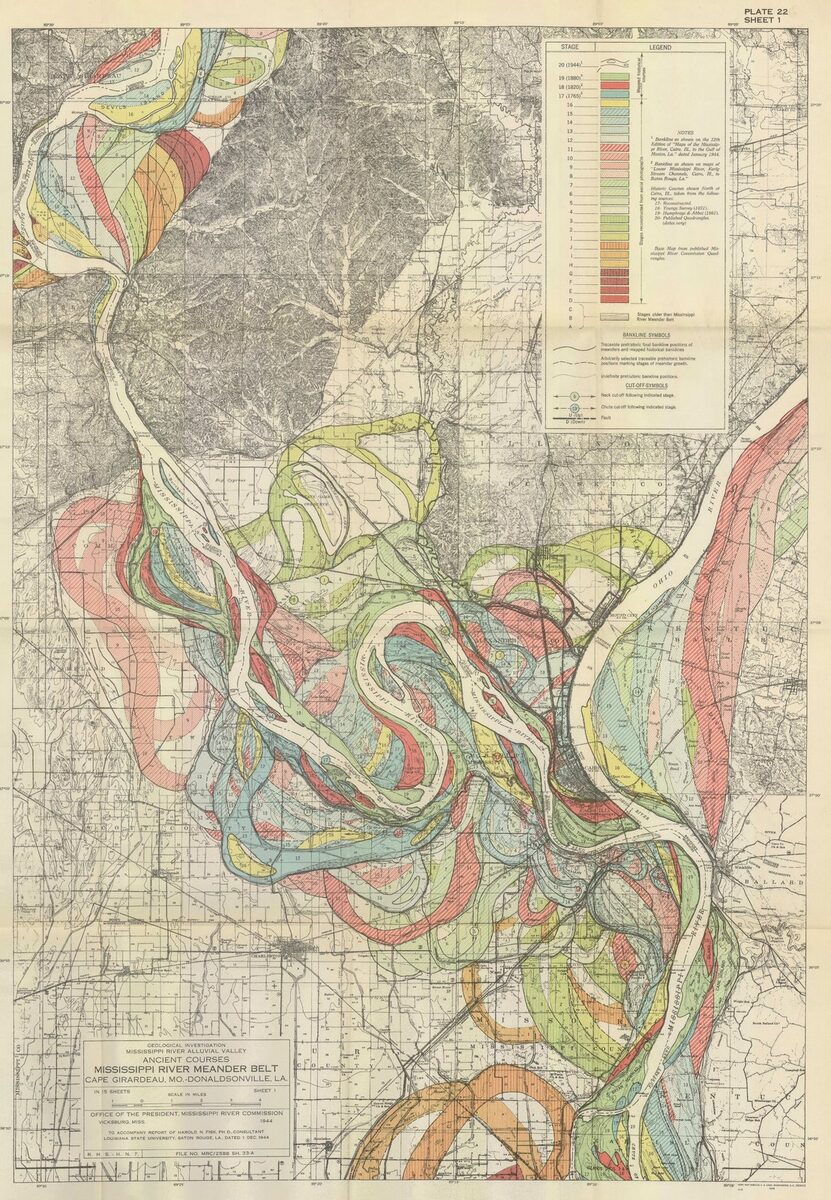
Maps, Space & Place
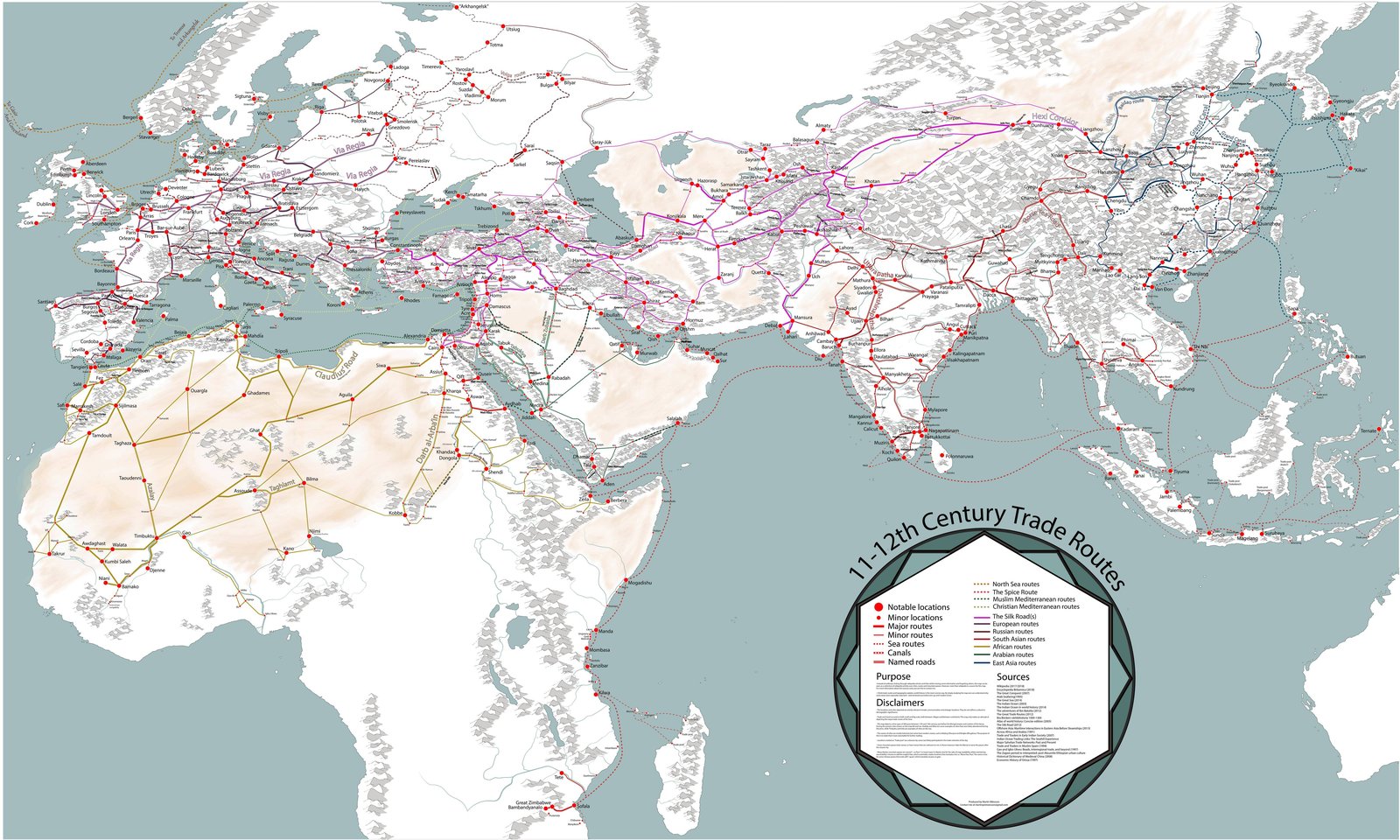
What do maps really do? Spatial history, critical mapping, counter-cartography, and how digital tools render some places visible and leave others off the grid.
Digital Storytelling
How do scholars tell stories with digital media? Data visualization, network analysis, storytelling platforms, and gamification.
Digital Forays Workshop Series
Six public workshops were scheduled before class each week (the final event was canceled), featuring guest speakers working at the intersection of digital scholarship, critical digital humanities, and digital cultural production.
Part of the Kevorkian Center's year-long Digital Forays series. Events meet 12:30-2pm.
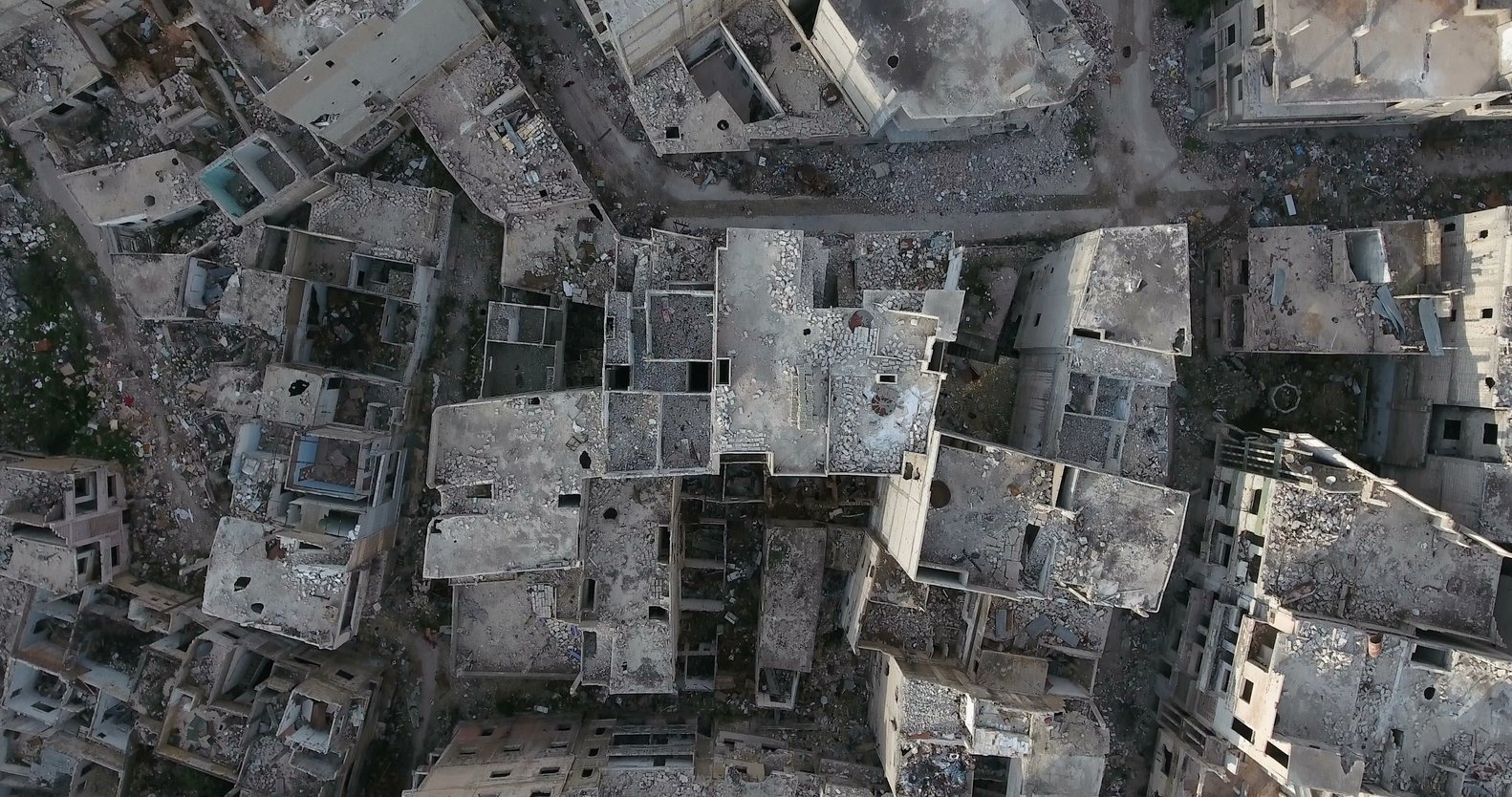
Digital Data Gathering & Changing Ways of Knowing I: Witnessing + Proof + Human Rights
How do digital data gathering capabilities change what we can know, prove, and remember? Researchers and activists working with open-source data, satellite imagery, and citizen documentation explore evidence-building in the age of disinformation.
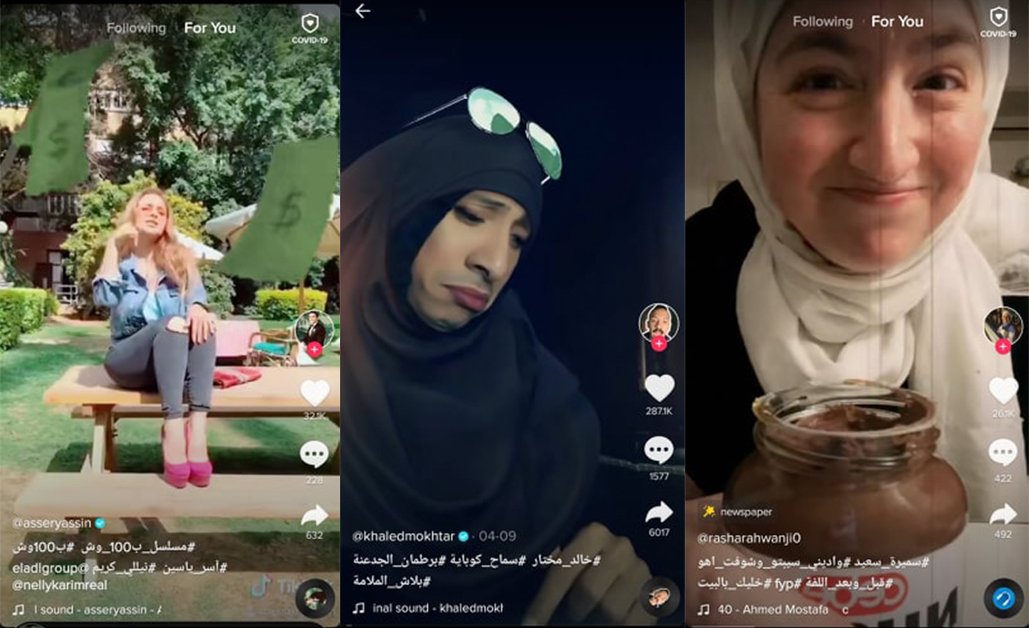
Digital Data Gathering & Changing Ways of Knowing II: Social Media Afterlives
At a moment when Americans are glued to TikToks, Tweets, live streams, and social media posts capturing unfolding events, this session examines how these digital records are being saved, aggregated, cross-referenced, processed by computer vision, and preserved as evidence.
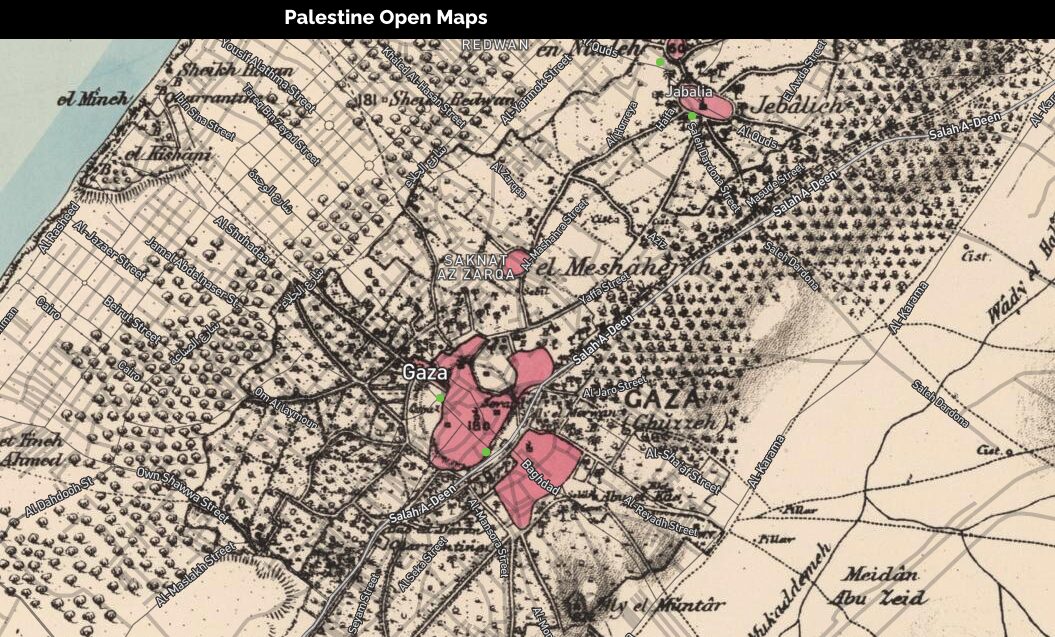
Space & Place I: Critical Mapping & Counter-Cartography
Critical mapping as practice that presents maps against dominant power structures. Scholars, practitioners, and activists discuss digital spatial practices that disrupt narratives and illustrate collaborative, counter-, and alter-mapping initiatives across the region.
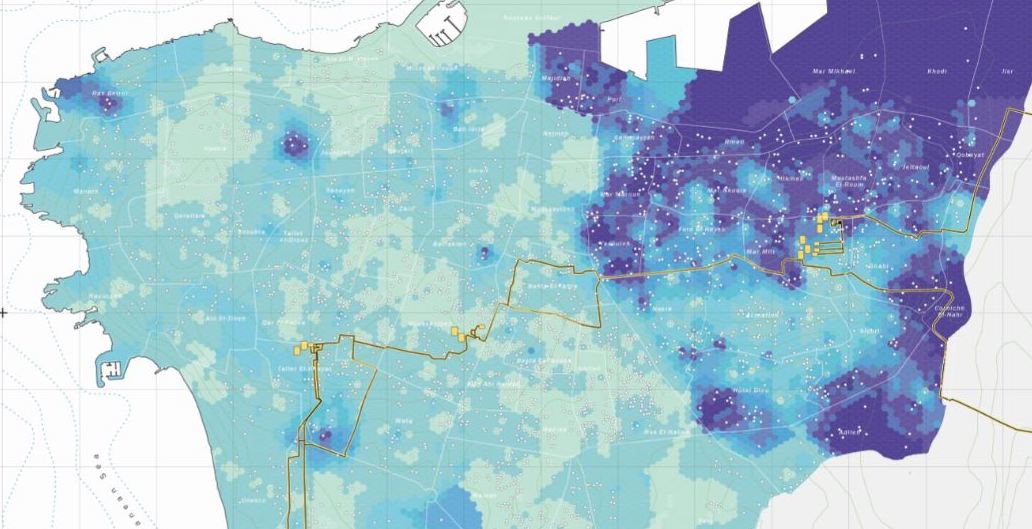
Space & Place II: Visualization & Digital Storytelling
How do scholars and activists use infographics, data visualizations, and novel digital storytelling techniques to explore lived experience and flip imaginations of space and place?
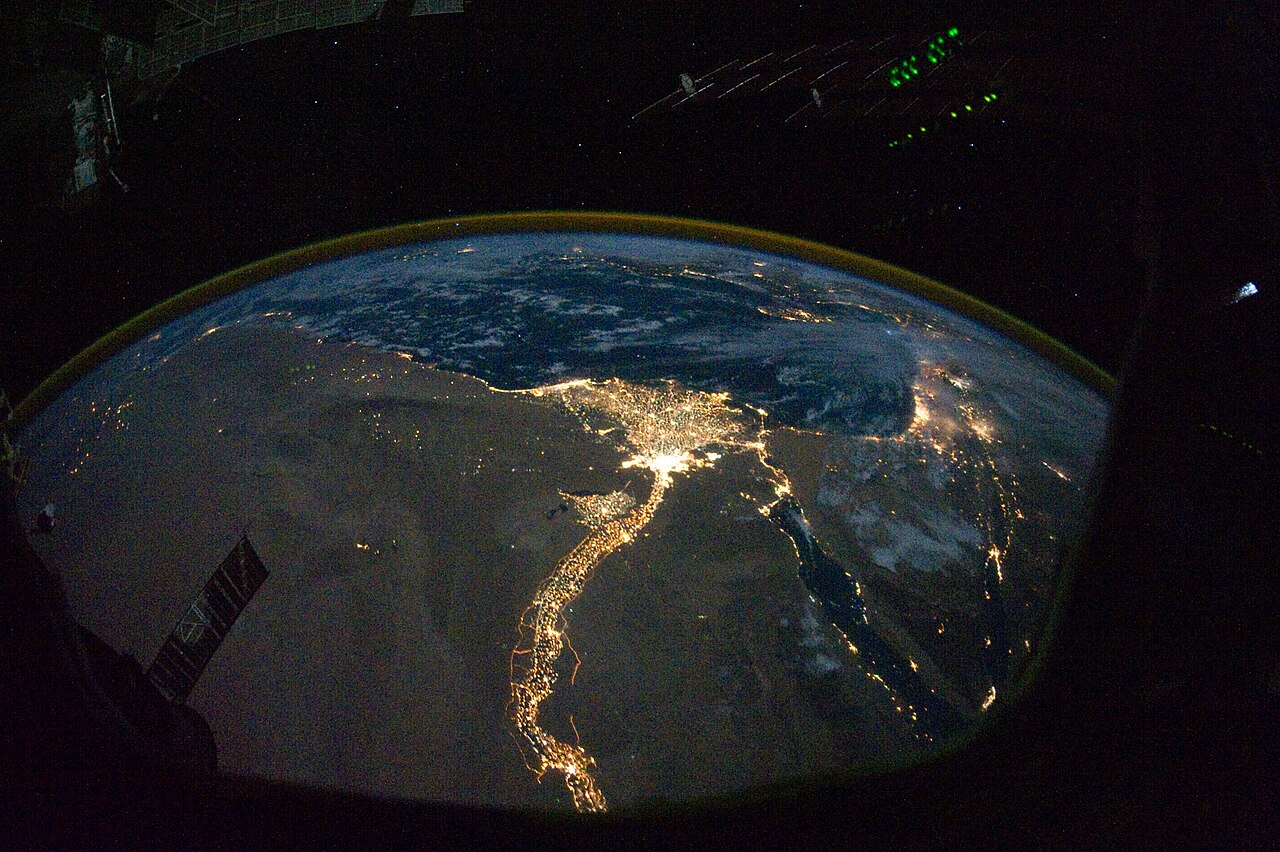
Future Digital Research on/in/from the Middle East
A roundtable examining the present conditions and future (5 to 10 years) of digital scholarly research on, in, and from the Middle East, including collaboration infrastructure, institutional acceptance, and the perils and promise of funding.

Lightning Talks: Junior Scholars Present Digital Scholarship in Progress
CanceledThrough an open call, PhD/MA candidates, junior faculty, and independent scholars presented developing digital projects that push the norms, boundaries, and forms of Middle Eastern scholarship through new tools, methods, and modes of dissemination.