Home / Digital Forays / #1
Digital Data Gathering & Changing Ways of Knowing I: Witnessing + Proof + Human Rights
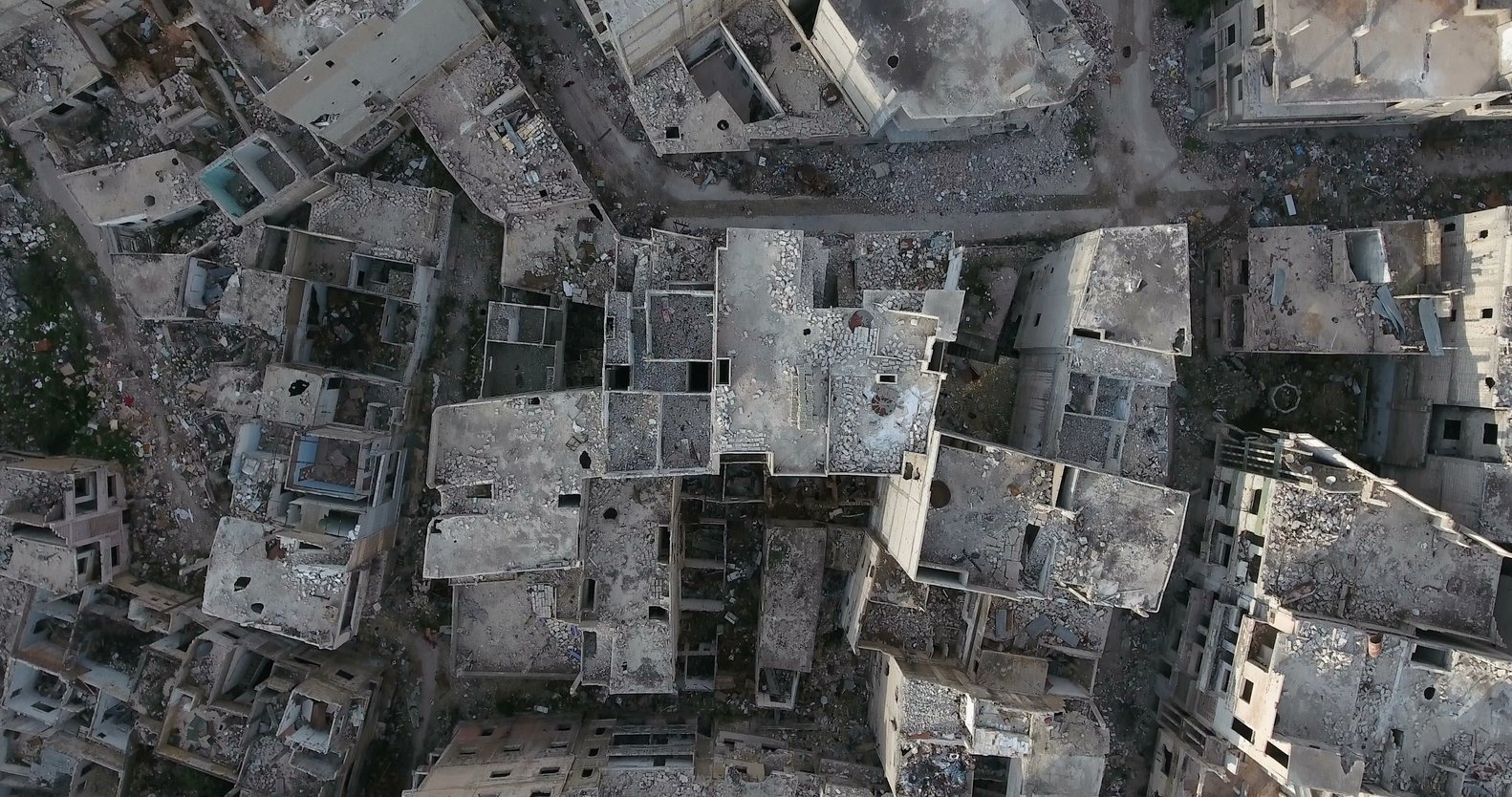
What does it look like to think, engage, and do research in this digital age? This session explores how digital data gathering capabilities (“open data,” user-generated images, cell tower data) are used by states, corporations, and citizens. We examine how researchers and activists collect, aggregate, and process digital data and “digital shadows.” In an age of disinformation, how do we know what we know, prove what we can prove, and remember what must be remembered?
Speakers
Has worked since 2011 collecting, verifying, and investigating citizen-generated data as evidence of human rights violations in the Syrian conflict. Supported journalists, lawyers, and activists using verified data for investigations and criminal case-building. Formerly with Tactical Technology Collective and as open-source investigator for Human Rights Watch and Bellingcat.
Human rights researcher from Lebanon documenting abuses and developments in the MENA region, with a specialization in missing persons related to the Syrian conflict since 2011. Collaborates with Syrian family associations and civil society organizations, develops advocacy campaigns on rule of law, and applies a feminist lens to investigating disappearances and promoting justice.
Architect and researcher at the Centre for Research Architecture, Goldsmiths, where he convenes the MA studio in Forensic Architecture. Explores spatial politics, visual cultures, and the political ecologies of migration and borders. Since 2011, leads the Forensic Oceanography project investigating the Mediterranean border regime and co-founded the WatchTheMed platform. His work has been used as evidence in courts of law. Forthcoming: Agitated Waters (Zone Books, co-authored with Charles Heller).
Discussant
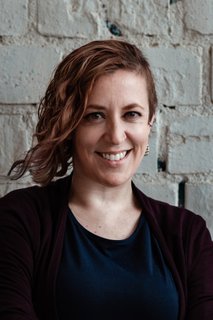
Director for International Freedom of Expression at EFF, based in Berlin. Examines state and corporate censorship and their impact on culture and human rights, and leads Onlinecensorship.org. Has published in Motherboard, BuzzFeed, The Guardian, Quartz, the Washington Post, and the New York Times. Formerly at Harvard's Berkman Klein Center for Internet & Society.
From the Conversation
Samira Koujok (Columbia University) began this virtual event by highlighting the silences and gaps in memories and history generated by the trauma of the Lebanese Civil War. She stressed the importance of having the families of missing persons / those affected by conflict and their needs be at the center of data collection.
Lorenzo Pezzani (Goldsmiths, University of London) showcased that technologies of surveillance on Mediterranean migration can also be used to document and map instances of injustice in the absence of images. He concluded thinking about the ways in which images and data can often flood information pathways, creating the obfuscations behind this so-called post-truth era.
Hadi Al Khatib (Syrian Archive), one of TIME's 100 emerging leaders, detailed the ways in which the Syrian state has made invisible their human rights violations. With his archive, he explained how geo-mapping and data collection brought to light the intent and calculated nature of state-sponsored violence.
Jillian York (EFF) posed questions on the uneasy relationships the speakers have with the tech giants that house their data, as well as interrogated the nature of truth. The group reflected on how their projects speak to a relation of the past and future. They concluded on the ways in which a collective truth not afraid of fractures and fissures can coalesce in a sustained manner that does not solely rely on the energy of a viral moment.
This event was co-sponsored by the Global Journalism program at NYU's Arthur Carter Journalism Institute.
Recording
Paired with seminar
Session 6 → Module III: Archive Fever: Documents, Objects & ImagesDigital Forays · 6 events in the series
You are here
#1: Digital Data Gathering & Changing Ways of Knowing I: Witnessing + Proof + Human Rights
March 4, 2021
Next →
#2: Digital Data Gathering & Changing Ways of Knowing II: Social Media Afterlives
March 18, 2021